India’s No. 1 Online Admission Portal Apply Now
India’s No. 1 Online Admission Portal Apply Now
The MBBS curriculum in India is regulated by the Medical Council of India (MCI) / National Medical Commission (NMC) and is designed to provide students with a comprehensive understanding of medical science, clinical skills, and patient care. The program typically lasts for five and a half years and is divided into three stages.
The first stage of the MBBS program covers the basic sciences, including Anatomy, Physiology, Biochemistry, and Medical Genetics. These courses provide students with a foundation in the basic principles of medicine and the human body.
During this stage, students also receive training in medical ethics, communication skills, and research methods. Students are also required to attend clinical skills workshops, where they learn the basics of taking a medical history, performing a physical examination, and other clinical skills.
The second stage of the MBBS program covers the para-clinical sciences, including Pathology, Microbiology, Pharmacology, and Forensic Medicine. These courses are designed to provide students with an understanding of the diagnosis, treatment, and management of common medical conditions.
During this stage, students receive extensive clinical training in hospitals and clinics, where they work under the supervision of experienced medical professionals. Students are also required to attend lectures, seminars, and clinical skills workshops to enhance their knowledge and skills.
The final stage of the MBBS program is the clinical years, which provide students with hands-on experience in a clinical setting. During this stage, students must complete rotations in various departments, including Internal Medicine, Surgery, Pediatrics, Obstetrics & Gynecology, and Psychiatry.
The clinical years are designed to allow students to apply the knowledge and skills they have learned throughout the program in a real-world setting. Students work under the supervision of experienced medical professionals, and they are responsible for diagnosing and treating patients under the guidance of their mentors.
After completing the clinical years, students are required to take the medical licensing exam in India, which is required for practicing medicine in the country.
The MBBS curriculum in Egypt is also designed to provide students with a comprehensive understanding of medical science, clinical skills, and patient care. The program typically lasts for six years and is divided into three stages.
The first stage of the MBBS program in Egypt covers the basic sciences, including Anatomy, Physiology, Biochemistry, Histology, Pathology, Microbiology, and Pharmacology. These courses provide students with a foundation in the basic principles of medicine and the human body.
During this stage, students also receive training in medical ethics, communication skills, and research methods. Students are also required to attend clinical skills workshops, where they learn the basics of taking a medical history, performing a physical examination, and other clinical skills.
The second stage of the MBBS program in Egypt covers the clinical sciences, including Internal Medicine, Surgery, Pediatrics, Obstetrics & Gynecology, and Psychiatry. These courses are designed to provide students with an understanding of the diagnosis, treatment, and management of common medical conditions.
During this stage, students receive extensive clinical training in hospitals and clinics, where they work under the supervision of experienced medical professionals. Students are also required to attend lectures, seminars, and clinical skills workshops
No Comments Found
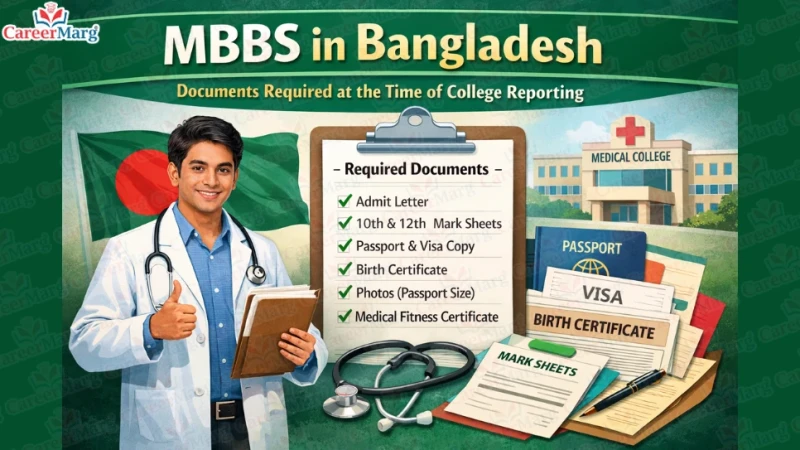
If you are planning to pursue MBBS in Bangladesh, document verification at the time of college reporting is one of the most crucial steps in securing your admission.Even after clearing NEET and getting selected, your admission can be rejected....
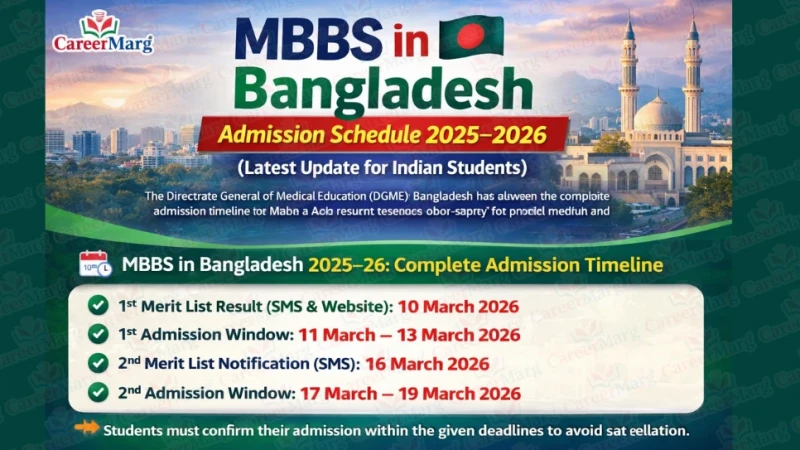
Planning to pursue MBBS in Bangladesh? Understanding the official admission schedule, counselling rounds, and migration process is essential to secure your seat in top NMC-approved medical colleges in Bangladesh.The Directorate General of Medical Education (DGME), Bangladesh has released the....

Choosing the top colleges in Uttarakhand can be confusing for students who want the best combination of quality education, affordable fees, and strong placements. With so many options available in Dehradun and other cities, students often struggle to decide which....
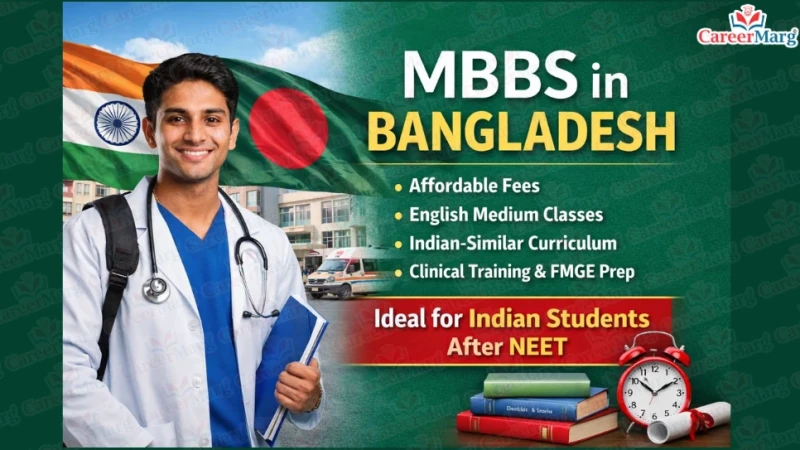
For many Indian students, qualifying NEET is only the first step. The bigger challenge begins after the result, when students and parents start looking for a medical education option that is academically strong, financially practical, and valid for future practice....
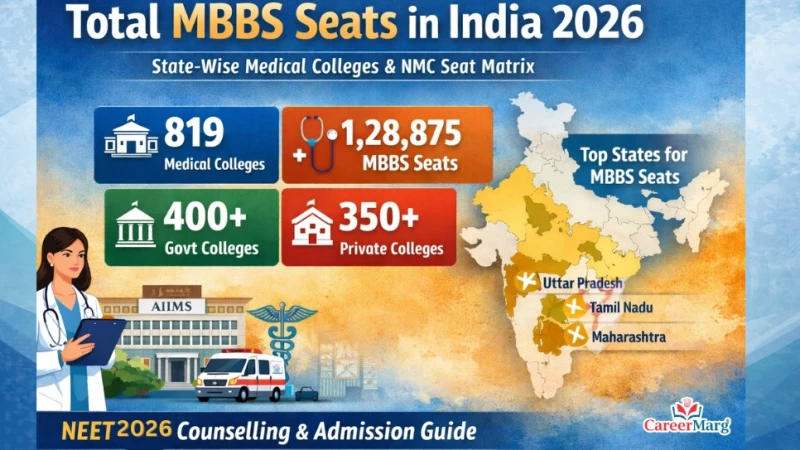
The number of medical colleges and MBBS seats in India has increased significantly in recent years due to government initiatives to strengthen the healthcare system and expand medical education infrastructure.The National Medical Commission (NMC) MBBS seat matrix shows a....
 Request a call back
 Login
Login



 Apply Online

